There is currently no appointment available
Frequently Asked Questions
Skin Boosters are injectable treatments primarily composed of hyaluronic acid, designed to enhance skin hydration, texture, and radiance. They are minimally invasive, offering long-lasting results by improving moisture levels, reducing fine lines, and promoting a youthful glow.
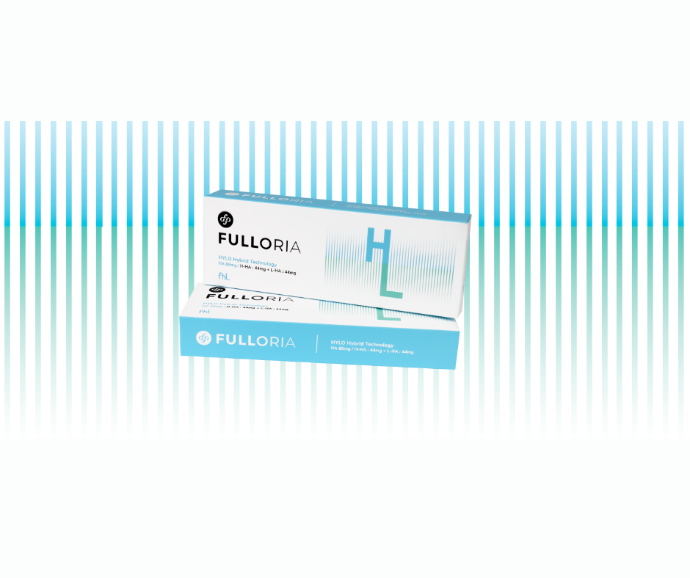
HYLO refers to High Molecular Weight Hyaluronic Acid (H-HA) and Low Molecular Weight Hyaluronic Acid (L-HA). HYLO is a proprietary technology developed by FHL for the production of Fulloria, utilizing a specialized method that involves precise temperatures and stirring speeds.
The HYLO technology aims to enhance the covalent bonds of the existing hyaluronic acid while also promoting ongoing skin regeneration through the strategic arrangement of the hyaluronic acid molecules.
Skin Boosters are generally designed to stay localized in the area where they are injected due to their formulation and the technique used during administration. However, there is a minimal risk of migration, though it is rare.
- Incorrect Injection Technique: Poor placement or excessive pressure during injection.
- Product Characteristics: Some formulations are more fluid and may spread slightly, but this is typically within the treatment area.
- Facial Movement: Excessive facial activity immediately after treatment could theoretically cause minor spreading.
To prevent, you can:
- Ensure treatments are performed by qualified and experienced practitioners.
- Follow aftercare instructions, such as avoiding excessive facial massage or pressure on the treated area for a few days post-treatment.
Skin boosters are generally safe for allergy-prone skin due to their biocompatible nature, but a patch test and consultation with a qualified professional are essential to ensure safety and minimize risks. Therefore,you should disclose any known allergies or sensitivities before treatment
HA fillers can be used to improve the appearance of certain types of acne scars. They are particularly effective for addressing depressed or atrophic scars, which are characterized by a loss of volume or indentation in the skin.
During the treatment, the HA filler is injected into the depressed areas of the scar to raise them up and create a smoother, more even skin surface. The HA filler adds volume to the scarred area, helping to fill in the depression and make the scar less noticeable.
The effectiveness of HA fillers for acne scars can vary depending on the type and severity of the scars. Deep, pitted scars may require multiple treatment sessions or a combination of different treatments, such as laser resurfacing or microneedling, for optimal results.
Before undergoing any treatment, it is recommended to consult with a qualified dermatologist or plastic surgeon who can evaluate your specific acne scars and recommend the most suitable approach. They will assess the type of scars you have, the condition of your skin, and your desired outcomes to develop a personalized treatment plan.
Most skin boosters are made of hyaluronic acid (HA), which can be dissolved using an enzyme called hyaluronidase.
- Hyaluronidase: This enzyme breaks down HA, effectively reversing the effects of the treatment.
- Process: A small amount of hyaluronidase is injected into the treated area, and the HA is metabolized by the body within 24–48 hours.
- Safety: Hyaluronidase is generally safe, but it should only be administered by a qualified professional.
If the skin booster does not contain HA (e.g., those with polycaprolactone or other substances), removal may not be as straightforward.
- Consultation: A specialist will need to assess the situation and recommend the best course of action, which may include waiting for the product to naturally metabolize or using other corrective treatments.
HA fillers are generally considered safe, but like any medical procedure, they do carry some risks and potential side effects. Here are some common risks and side effects associated with HA fillers:
Injection-related Reactions: After getting the filler injection, it's common to have some temporary reactions like redness, swelling, bruising, itching, or tenderness at the injection site. These reactions are usually mild and go away on their own within a week or so.
Allergic Reactions: Although rare, some people may have an allergic reaction to the filler material. This can cause severe swelling, redness, itching, or a rash. In very rare cases, it can even lead to a serious, potentially life-threatening reaction. If you notice any of these signs, it's important to let your healthcare provider know right away.
Infection: There is a small risk of getting an infection at the injection site. To reduce this risk, it's important to get the procedure done in a clean and sterile place by a qualified professional.
Lumpiness or Unevenness: Sometimes, the filler can cause lumps, bumps, or an uneven appearance. These issues can often be fixed with massage or additional touch-up treatments.
Vascular Complications: In rare cases, the filler material can accidentally enter a blood vessel and block it, which can lead to the skin not getting enough blood supply and causing tissue death. This is a serious but extremely rare complication that needs immediate medical attention.
Granulomas: Granulomas are small bumps or lumps that can form under the skin as an inflammatory response to the filler material. They can sometimes be treated with medication or, in some cases, need to be surgically removed.
Overall, the risks and side effects of HA fillers are usually temporary and can be managed. Choosing a qualified and experienced professional who uses proper injection techniques can greatly reduce the risks. It's important to have a thorough discussion with your dermatologist, share your medical history, and understand the potential risks and benefits before deciding to get dermal filler treatments.